Welcome to Shenzhen Riqiya Electromechanical Co., Ltd. Official website!





|
|
Casing: aluminum alloy round pipe fine extraction-cutting-CNC turning at both ends-CNC surface turning-ultrasonic cleaning-surface sandblasting-laser machine inspection (completed to be assembled);
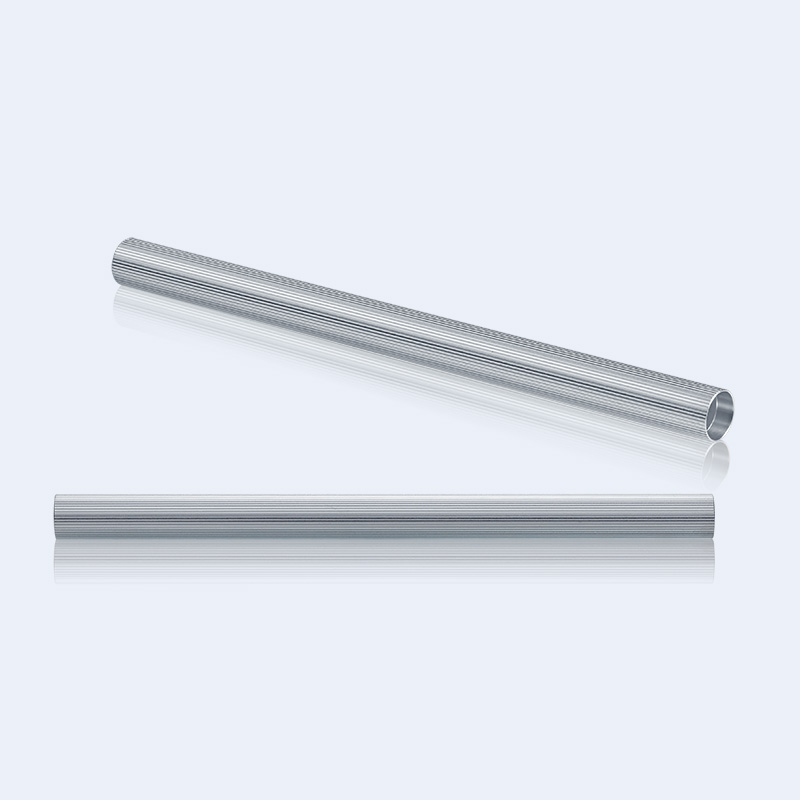
Casing: aluminum alloy grooved tube fine extraction-cutting-CNC turning at both ends-ultrasonic cleaning-laser machine inspection (completed to be assembled);
Casing: stainless steel pipe welding-cutting-rough grinding of outer diameter-CNC turning at both ends-fine grinding of outer diameter-ultrasonic cleaning-surface sandblasting-laser machine inspection (completed to be assembled);
Drive shaft maintenance and inspection
1. The drive shaft and constant velocity universal joints should be fully inspected as follows.
2. Jack up the front of the car and firmly support it on the axle bracket.
3. Slowly turn the wheel to check the condition of the outer universal joint rubber guard. Check the rubber for signs of cracking, tearing or deterioration, which will cause grease loss and allow water and grit to enter the universal joint. Also check the firmness and condition of the two clamps. These checks are also done for the inner universal joint.
4. Continue to rotate the wheels and check whether the drive shaft is deformed or damaged. Hold the drive shaft and try to turn the wheel. Grasp the flange of the differential and try again. Any felt movement can indicate wear in the universal joint, wear of the drive shaft spline, or loosening of the universal joint fixing screws or wheel nuts.
5. When driving on the road, from accelerating to rolling, and then from rolling to accelerating, check if there is any sense of looseness in the driving route, or when accelerating Does the whole car feel vibrating? Problems of this nature often indicate wear in the constant velocity joint.
Previous:没有了!